
The Truth About Hard Water
Hard water contains high levels of calcium and magnesium, minerals that:
Shorten appliance life by causing damaging scale buildup.
Make cleaning harder by leaving spots, streaks, and soap scum.
Reduce efficiency in water heaters, costing you money.
In 85% of Canadian homes, hard water is a daily reality.
How Hard Is Your Water?
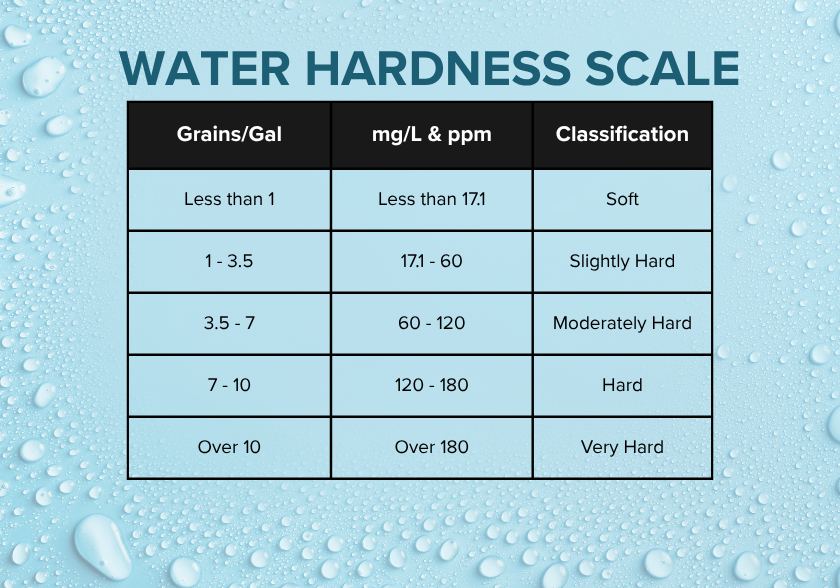
Hardness is measured in grains per gallon (gpg):
Soft: Less than 1 gpg - Lucky you 😁
Slightly Hard: 1 - 3.5 gpg Not bad, worth considering 🤔
Moderately Hard: 3.5 - 7 gpg Good idea, let’s solve this 🫡
Hard: Over 7 - 10 gpg Should address, spend to save 🤨
Very Hard: Over 10 gpg That’s unfortunate 😐
Canadian examples:
Toronto: 6 - 7 gpg (moderately hard)
Calgary, Red Deer, Edmonton: 9 - 16 gpg (hard)
Guelph/Kitchener/Waterloo: 17 - 56 gpg (extremely hard)
Okanagan: 6.4 -15.7 (moderate to very hard)
The Science-Backed Proof
A major study by Battelle Memorial Institute, the world’s largest non-profit research and development organization, revealed the real cost of hard water.
Gas Water Heaters
Soft water: Maintained full factory efficiency for 15 years.
Hard water: Lost up to 24% efficiency, increasing energy costs.
Every 5 gpg = 4% efficiency loss + 4% higher energy bills.
Electric Water Heaters
Hard water caused 0.4 lbs of scale buildup per year.
Scale shortens heating element life and raises operating temperature.
Tankless Water Heaters
Soft water: Full efficiency for 15 years.
Hard water: Failed completely after only 1.6 years due to scale clogging.
Showerheads & Fixtures
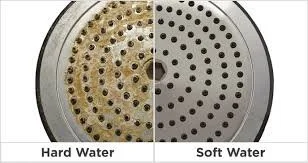
Soft water: Full flow and brilliant luster maintained.
Hard water: Lost 75% flow in 18 months and looked dull.
The Takeaway
Switching to soft water isn’t just about comfort, it’s about:
Saving money on energy and repairs.
Protecting your home’s plumbing & appliances.
Enjoying a cleaner, more comfortable lifestyle.
Soft water pays for itself in savings, convenience, and peace of mind.
Click here to view a summary of the Battelle Study.